
What are the Different Types of Badminton Shuttlecocks?
2026/08/06
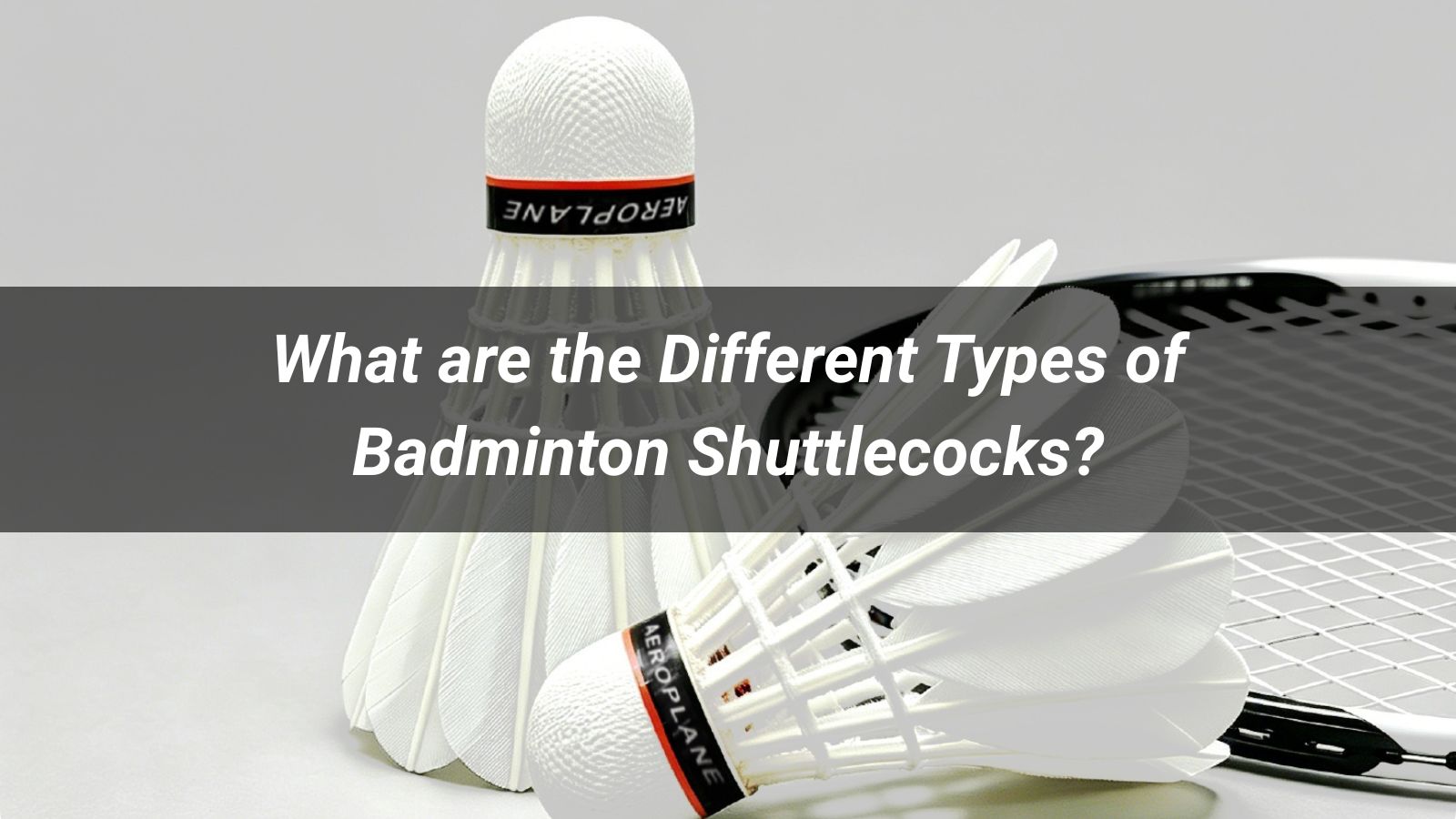
With the growing popularity of badminton worldwide, understanding the different types of shuttlecock has become increasingly important for players, coaches, and buyers. The right shuttlecock can directly affect flight performance, control, durability, and overall playing experience.
Badminton shuttlecocks are mainly divided into feather, nylon, and hybrid types, each designed for different needs. This guide helps different groups understand which option fits their game best:
- Players choosing their first shuttlecock for training or casual games
- Clubs and coaches looking for reliable shuttlecocks for regular practice
- Competitive players who need consistent flight and professional performance
- Distributors and buyers comparing shuttlecock quality, materials, and value
This guide explains the key differences between major badminton shuttlecock types, including their materials, performance, durability, and suitable applications. Choosing the right shuttlecock can improve both training efficiency and match performance, so continue reading to find the best option for your needs.
Table of Contents
- What Are the Different Types of Shuttlecock?
- Which Shuttlecock Type Is Best for Different Players?
- What Factors Should You Consider When Choosing a Shuttlecock?
- Why Do Feather Shuttlecocks Have Different Quality Levels?
- Are Expensive Shuttlecocks Worth Buying?
- How Long Does a Badminton Shuttlecock Last?
- Which Shuttlecock Type Should You Choose?
- Frequently Asked Questions About Shuttlecock Types
- Conclusion
What Are the Different Types of Shuttlecock?
Shuttlecocks come in different materials and designs to suit various playing styles, skill levels, and budgets.
The most common shuttlecock types are feather, nylon, and hybrid shuttlecocks. Each type offers different performance characteristics, including flight speed, durability, control, and overall playing feel.
A competitive player looking for precise control may choose a feather shuttlecock, while a beginner who needs a durable option for regular practice may prefer a nylon model.
Understanding the differences between these different types of shuttlecock can help players select the right shuttlecock for their badminton needs.
Feather Shuttlecocks
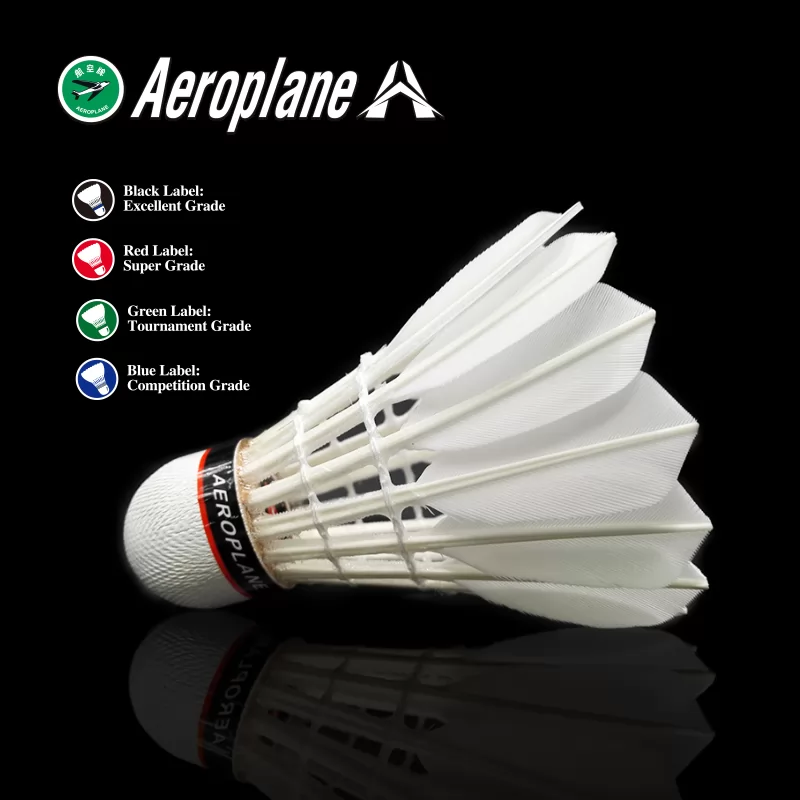
Feather shuttlecocks are widely used by professional players and experienced badminton players. They are made with natural feathers, usually goose or duck feathers, fixed onto a cork base.
Feather shuttlecocks provide the most natural flight and feel. They offer excellent control, stable trajectory, and quick response, making them ideal for competitive matches and advanced techniques.
However, natural feathers are more sensitive to impact. Frequent smashes and intense rallies can damage the feathers, so these shuttlecocks usually have a shorter lifespan compared with synthetic options.
Nylon Shuttlecocks
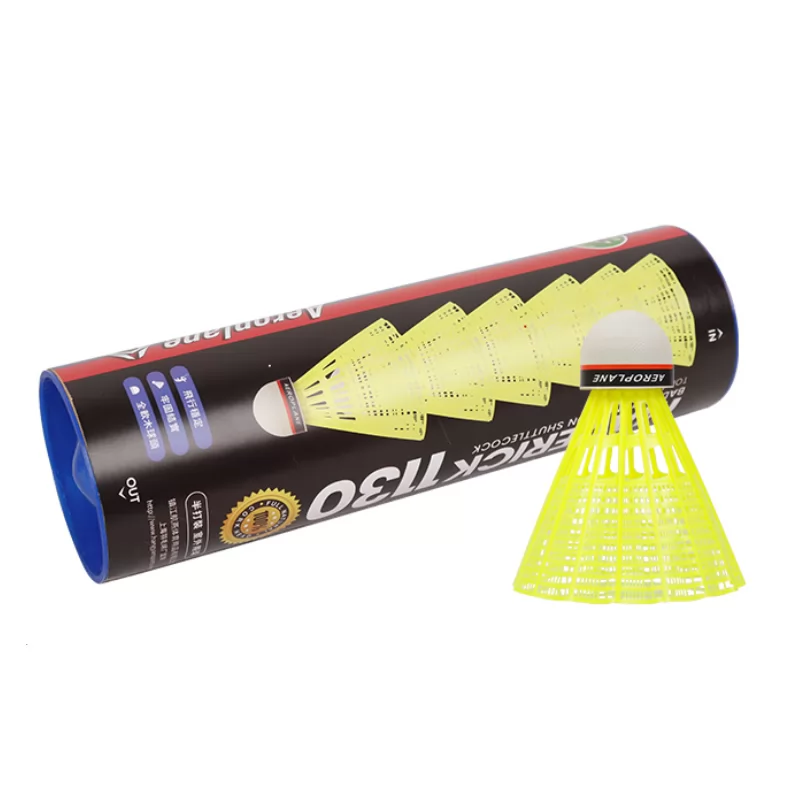
Nylon shuttlecocks, also known as plastic shuttlecocks, are made from synthetic materials and are popular among beginners, recreational players, and training sessions.
The biggest advantage of nylon shuttlecocks is their durability. They can withstand repeated hits and are more cost-effective for players who practice regularly.
Although nylon shuttlecocks last longer, their flight characteristics are different from feather models. They usually feel firmer when hit and provide less natural control during high-level play.
Hybrid Shuttlecocks
Hybrid shuttlecocks combine synthetic materials with natural elements to create a balance between performance and durability.
They offer a middle ground between feather and nylon shuttlecocks. Players can enjoy a more natural flight experience while benefiting from improved durability.
Hybrid models are suitable for intermediate players, club players, or anyone looking for better performance than standard nylon shuttlecocks without the higher replacement cost of premium feather options.
Each shuttlecock type has different strengths and limitations. The table below provides a quick comparison to help you choose the right option.
| Feature | Feather Shuttlecock | Nylon Shuttlecock | Hybrid Shuttlecock |
|---|---|---|---|
| Material | Natural feathers with cork base | Synthetic nylon materials | Combination of natural and synthetic materials |
| Flight Performance | Most natural flight with excellent control | Stable flight but less natural feel | Closer to feather performance than nylon |
| Durability | Lower, feathers can break during intense play | High, suitable for frequent practice | Better durability than feather models |
| Feel and Control | Soft feel with precise response | Firmer impact feeling | Balanced feel and control |
| Price Range | Usually more expensive | More affordable | Mid-range option |
| Best For | Professional players, tournaments, advanced players | Beginners, casual players, training sessions | Intermediate players and recreational matches |
In general, feather shuttlecocks deliver the best playing experience, nylon shuttlecocks offer better value and durability, while hybrid shuttlecocks provide a balance between performance and lifespan.
Which Shuttlecock Type Is Best for Different Players?
The best shuttlecock depends on your skill level, playing frequency, and budget. Different players need different levels of speed, control, and durability.
| Player Level | Recommended Shuttlecock Type | Why |
|---|---|---|
| Beginners | Nylon Shuttlecock | Durable, affordable, and suitable for learning basic techniques |
| Intermediate Players | Nylon or Hybrid Shuttlecock | Offers a balance between durability, control, and playing feel |
| Advanced Players | Feather Shuttlecock | Provides better accuracy, speed control, and professional feel |
| Tournament Players | Premium Feather Shuttlecock | Designed for consistent performance during competitive matches |
For most recreational players, durability and cost are important factors. For competitive players, flight consistency and control usually matter more than price.
What Factors Should You Consider When Choosing a Shuttlecock?
Choosing a shuttlecock is not only about the material. Several factors can affect performance and playing experience.
Material and Construction
The material determines how a shuttlecock feels and performs.
Feather shuttlecocks offer natural flight and better control, while nylon shuttlecocks focus on durability and long-term use.
Speed Rating
Shuttlecocks are available in different speed ratings, which affect how fast they travel through the air.
A suitable speed depends on factors such as playing environment, temperature, and altitude. Choosing the correct speed helps maintain a more consistent game.
Durability and Frequency of Use
Players who practice frequently may prefer shuttlecocks with longer lifespan.
Nylon shuttlecocks are often a practical choice for daily training, while feather shuttlecocks are usually selected when performance is the priority.
Playing Level and Budget
Your skill level and budget should guide your choice.
Beginners do not always need premium feather shuttlecocks, while advanced players may notice the performance difference between standard and high-quality models.
Why Do Feather Shuttlecocks Have Different Quality Levels?
Not all feather shuttlecocks perform the same. Quality differences come from materials, manufacturing processes, and construction details.
Higher-quality feather shuttlecocks provide better consistency and durability. They are carefully designed to maintain stable flight during intense matches.
| Quality Factor | Impact on Performance |
|---|---|
| Feather Quality | Better feathers improve flight stability and durability |
| Feather Alignment | Proper alignment creates a more consistent trajectory |
| Cork Quality | Affects hitting feel and control |
| Manufacturing Process | Improves overall consistency and lifespan |
Premium feather shuttlecocks are usually preferred by clubs and competitive players because small differences in flight behavior can affect shot accuracy and match performance.
Are Expensive Shuttlecocks Worth Buying?
Expensive shuttlecocks usually use better materials and more precise manufacturing processes, but a higher price does not always mean a better choice for every player.
Premium feather shuttlecocks are mainly designed for players who need maximum consistency and control. In competitive games, small differences in flight stability can affect shot accuracy and overall performance.
For casual players, the extra cost may not always be necessary. A durable nylon shuttlecock or a mid-range feather shuttlecock can provide a better balance between performance and value.
A simple rule is: choose premium feather shuttlecocks for competition, but choose based on durability and budget for regular practice.
How Long Does a Badminton Shuttlecock Last?
The lifespan of a badminton shuttlecock depends on the material, quality, and intensity of play.
Feather shuttlecocks usually have a shorter lifespan because natural feathers can become damaged after repeated high-speed impacts. Players who use powerful smashes or play frequent matches may need to replace them more often.
Nylon shuttlecocks generally last longer because synthetic materials can handle repeated hits better. This makes them popular for training sessions and recreational games.
| Type | Durability | Common Use |
|---|---|---|
| Feather Shuttlecock | Lower | Competition and advanced training |
| Nylon Shuttlecock | Higher | Practice and recreational play |
| Hybrid Shuttlecock | Moderate | Players seeking a balance |
Proper storage can also affect shuttlecock lifespan. Keeping shuttlecocks in suitable humidity conditions helps maintain their shape and flight performance.
Which Shuttlecock Type Should You Choose?
The right shuttlecock depends on your playing level, training habits, and expectations.
Instead of choosing the most expensive option, consider what matters most for your game:
| If You Are... | Recommended Type |
|---|---|
| A beginner learning badminton | Nylon shuttlecock |
| A casual player playing for fun | Nylon or hybrid shuttlecock |
| A regular club player | Hybrid or quality feather shuttlecock |
| A tournament player | Premium feather shuttlecock |
Nylon is ideal for durability, feather is preferred for performance, and hybrid offers a balance between both.
Understanding your own playing needs is the key to choosing the right badminton shuttlecock type.
Frequently Asked Questions About Shuttlecock Types
What type of shuttlecock is best?
The best shuttlecock depends on your playing level and needs. Feather shuttlecocks are best for performance, while nylon shuttlecocks are better for durability and regular practice.
Which is better, a feather or a nylon shuttlecock?
Feather shuttlecocks provide better control and a more natural flight, while nylon shuttlecocks offer longer lifespan and better value. The better choice depends on your playing style.
Which shuttle is best for beginners?
Nylon shuttlecocks are usually the best choice for beginners because they are durable, affordable, and suitable for learning basic skills.
What type of shuttlecock is best for casual play?
Nylon or hybrid shuttlecocks are suitable for casual players because they provide good durability without frequent replacement.
Which shuttlecock do pros use?
Professional players typically use high-quality feather shuttlecocks because they provide accurate flight, better control, and consistent performance.
Which type of shuttlecock is the most durable?
Nylon shuttlecocks are generally the most durable option. Their synthetic materials can withstand repeated hits during training and recreational play.
What shuttlecock do the Olympics use?
Olympic badminton matches use feather shuttlecocks that meet professional competition standards for speed, quality, and flight consistency.
Conclusion
Choosing the right shuttlecock depends on your playing level, budget, and performance expectations. Feather shuttlecocks are ideal for players who need professional-level control and accuracy, while nylon and hybrid options provide practical solutions for training and recreational games.
A high-quality shuttlecock can make a noticeable difference in flight stability, feel, and overall playing experience. Whether you are a beginner, club player, or competitive athlete, selecting the right type helps you get better performance from every match.
At Aeroplane, we specialize in manufacturing badminton shuttlecocks with reliable quality and consistent performance. With years of production experience in China, we provide shuttlecock solutions for players, clubs, and distributors worldwide.
If you are looking for durable training shuttlecocks or professional feather shuttlecocks for competitive use, contact Aeroplane to discuss your requirements and find the right solution for your market.


